
Michael K. Semiao’s raw memoir exposes the hidden mental health crisis in youth basketball — and why parents, coaches, and players can’t afford to look away.
By Hoopwrld
We talk about player development every day in youth basketball. We break down film, track recruiting rankings, argue about AAU schedules, and debate which showcase is worth the entry fee. But there is one conversation we still avoid — the one about what this game is doing to our kids when nobody is watching.
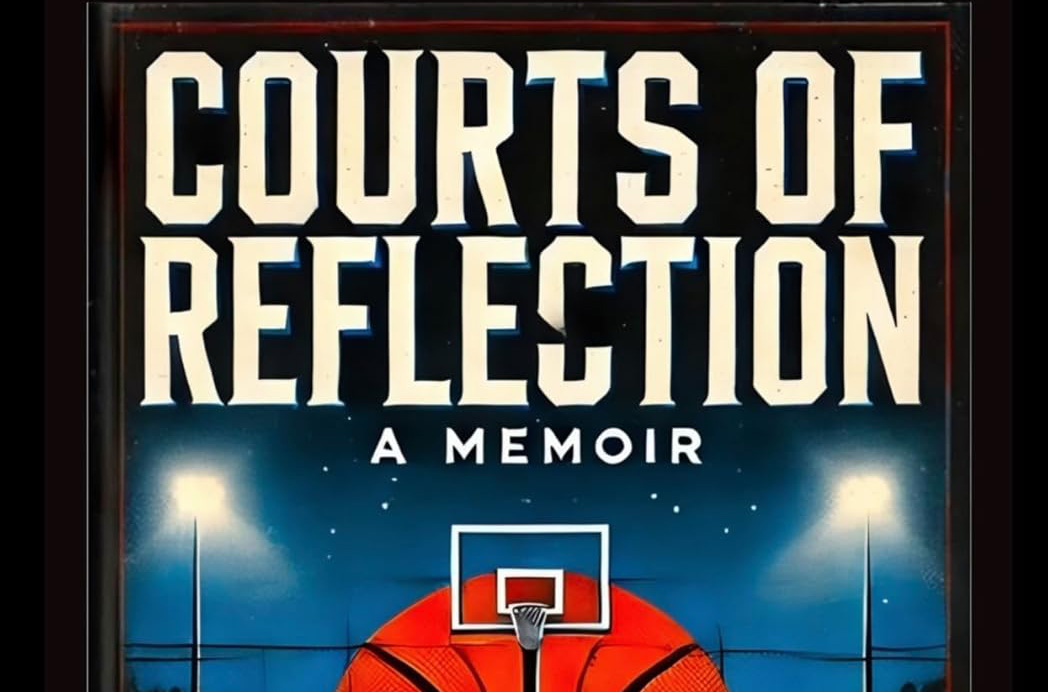
Michael K. Semiao’s memoir, Courts of Reflection, forces that conversation into the open. And it does so not with statistics or clinical detachment, but with the kind of unflinching honesty that only comes from someone who lived through it, carried it in silence, and decided the silence had to end.
A Coming-of-Age Story Hidden Inside a Basketball Memoir
Courts of Reflection follows Semiao’s journey as a gifted young basketball player growing up in southeastern Massachusetts. On the surface, the story looks like the one we celebrate: the talented kid who breaks records, earns recognition, and becomes the pride of his community. But beneath those highlights is a far more complicated reality — one defined by isolation, anxiety, racial tension, physical injury, and the relentless pressure to perform strength while suppressing pain.
This is a book about what happens when success arrives before a young person is emotionally equipped to handle it. The weight of being “the one” — the player everyone is counting on, the kid who becomes a symbol of pride and potential — is a burden Semiao describes with devastating clarity. Basketball becomes both his refuge and his cage. The court is where he feels alive, and it is also where he slowly loses himself.
What separates Courts of Reflection from a typical sports memoir is that Semiao does not flinch. He writes openly about the mistrust he developed toward teammates, the emotional detachment that crept into his closest relationships, and the internal battles he fought while the crowd only saw a confident competitor. He names what most athletes are conditioned to hide.
Why This Book Matters Now More Than Ever
The youth basketball landscape in 2026 looks nothing like it did when Semiao was playing. NIL deals are filtering down to high school athletes. Instagram follower counts have become unofficial recruiting metrics. Kids are building personal brands before they can drive. The AAU circuit has exploded into a year-round industry, and the pressure on young players to perform, produce content, and project confidence has never been greater.
But here is the truth that Courts of Reflection makes painfully clear: while the world around student-athletes has changed, the internal pressure they put on themselves has not. If anything, it has gotten worse. The expectation to be elite, to never show weakness, to grind through pain and call it mental toughness — that has only intensified. The difference now is that the pressure comes from everywhere: social media, recruiting services, parents, coaches, peers, and the athletes themselves.
Mental health challenges among young athletes are not theoretical. They are documented, widespread, and growing. And yet the culture of competitive basketball still treats vulnerability as weakness. Athletes are afraid to speak up because they believe doing so will cost them playing time, recruiting attention, or the respect of the people around them. Semiao lived that fear. This book is what it looks like when someone finally pushes past it.
A Book for Parents, Coaches, and Players Alike
One of the most powerful aspects of Courts of Reflection is its ability to speak to multiple audiences at once.
For parents, this book is a mirror. It shows what can happen when a child’s talent becomes the organizing principle of family life — when the dream begins to overshadow the dreamer. Semiao’s story is not an indictment of any single adult. It is a wake-up call to all of us who love our kids and sometimes confuse their performance with their well-being.
For coaches, the memoir offers perspective that no coaching clinic can provide. It is a firsthand account of what a player was actually experiencing while appearing to have it all together. The kid who shows up early, works the hardest, and never complains may also be the kid who is carrying the most. Semiao makes that case better than any mental health seminar ever could.
For players, this book is permission. Permission to acknowledge that the game can feel heavy. Permission to say that loving basketball and struggling with the culture around it are not contradictions. Permission to understand that asking for help is not a sign of weakness — it is the strongest thing an athlete can do.
Why Hoopwrld Champions This Book
At Hoopwrld, we have always believed that developing a player means developing the whole person. That belief is why we created the Legacy Basketball Journal — a tool designed to help young athletes build mental resilience, set meaningful goals, and reflect on their journey beyond the box score. Courts of Reflection shares that same DNA.
Where the Legacy Basketball Journal gives players a daily framework for self-awareness and growth, Semiao’s memoir provides the deeper narrative context for why that self-awareness matters. Together, they represent two sides of the same coin: the practice of reflection and the proof of what happens when reflection is denied.
We believe books like Courts of Reflection and tools like the Legacy Basketball Journal are not extras in a young athlete’s development. They are essentials. The game teaches you how to compete. Resources like these teach you how to survive the competition with your identity intact.
Praise for Michael K. Semiao’s Courage
Writing a memoir like this requires more than talent on the page. It requires the willingness to revisit the hardest chapters of your life and present them without the armor that protected you the first time around. Semiao does exactly that.
His honesty is the backbone of this book. He does not present himself as a hero or a victim. He presents himself as a young man who was navigating something enormous with almost no language for what he was feeling. That authenticity — the willingness to say “I didn’t have the answers then, and I’m still working on them now” — is what makes Courts of Reflection resonate so deeply.
Semiao also deserves credit for the companion work he has built around this story. His earlier prequel, Before the Line, explores the formative years that preceded the events of this memoir, offering a quieter, more intimate look at the boy beneath the accolades. Together, the two works form a complete narrative of resilience, identity, and the long process of reclaiming wholeness beyond performance.
In sharing his journey, Semiao has given the basketball community something it desperately needs: a voice of experience that says it is okay to not be okay. That is a gift. And it is one we can all learn from.
The Bottom Line
Courts of Reflection is not a light read. It is not meant to be. It is a deep, raw, and sometimes uncomfortable look at the emotional reality of being a young athlete in a culture that celebrates performance above personhood. It is also one of the most important basketball books published in recent memory — not because of the plays it describes, but because of the silence it finally breaks.
If you are a parent with a child in competitive sports, read this book. If you are a coach who believes player development extends beyond the court, read this book. If you are a young athlete who has ever felt the weight of expectation pressing down on you with no outlet for release, read this book.
Michael K. Semiao wrote the story he needed to tell. It turns out, it is the story we all needed to hear.
Courts of Reflection: A Memoir by Michael K. Semiao
Published by Shadow Court Press | 232 pages
Available now on Amazon in Kindle and Hardcover editions.
ISBN: 978-0-9994255-1-2-4
Looking for tools to support your athlete’s mental game?
The Legacy Basketball Journal by Hoopwrld is designed to help young players build self-awareness, set goals, and develop the mental resilience that the game demands. Learn more at Hoopwrld.com.
© 2026 Hoopwrld. All rights reserved.
Hoopwrld covers youth basketball culture, player development, and athlete mental health. Follow us for authentic stories that put the player first.