
For Parents:
In an exclusive interview with Hoopwrld, mental performance coach Valerie Alston shared valuable insights on how parents can help young athletes set and achieve meaningful goals. Alston brings exceptional credibility to this topic—not only through her professional training but through lived experience. As a former D1 athlete at the University of Minnesota who battled performance anxiety during her collegiate softball career, she has personally navigated the mental challenges of competitive sports. Today, she’s dedicated her professional life to ensuring young athletes develop healthy psychological skills that support both their athletic goals and overall wellbeing.
Start With Their “Why”
Before diving into specific goals, understand what motivates your child:
“It’s really important to remember that this is the kid’s journey. And you have to let the kid have some input. And making sure that it’s what they want, not that they’re saying something they think you want to hear.” – Valerie Alston
When discussing goals with your child, start with open-ended questions:
– What do you want from your sports experience?
– Are you trying to play at the next level?
– Are you doing this primarily for fun and to be with friends?
Their honest answers should shape your approach to goal-setting. This approach complements our “Managing The Gap” philosophy, where understanding the gap between current ability and aspirations is essential for productive development.
Balancing Dreams with Reality
Many young athletes have big dreams, and parents often struggle with how to support these aspirations without setting them up for disappointment. Alston recommends:
“Leaning into it, saying, okay, you say you want to play in college. Let’s go research what a college basketball season looks like. Or let’s go research the workouts… Let’s go make sure that we have a realistic picture of what it takes to play at that level.” – Valerie Alston
This approach doesn’t discourage dreams but helps create a realistic roadmap:
1. Research what it takes to reach their stated goal
2. Identify the specific skills and qualities needed
3. Help them honestly assess where they currently stand
4. Work backward to create a development plan
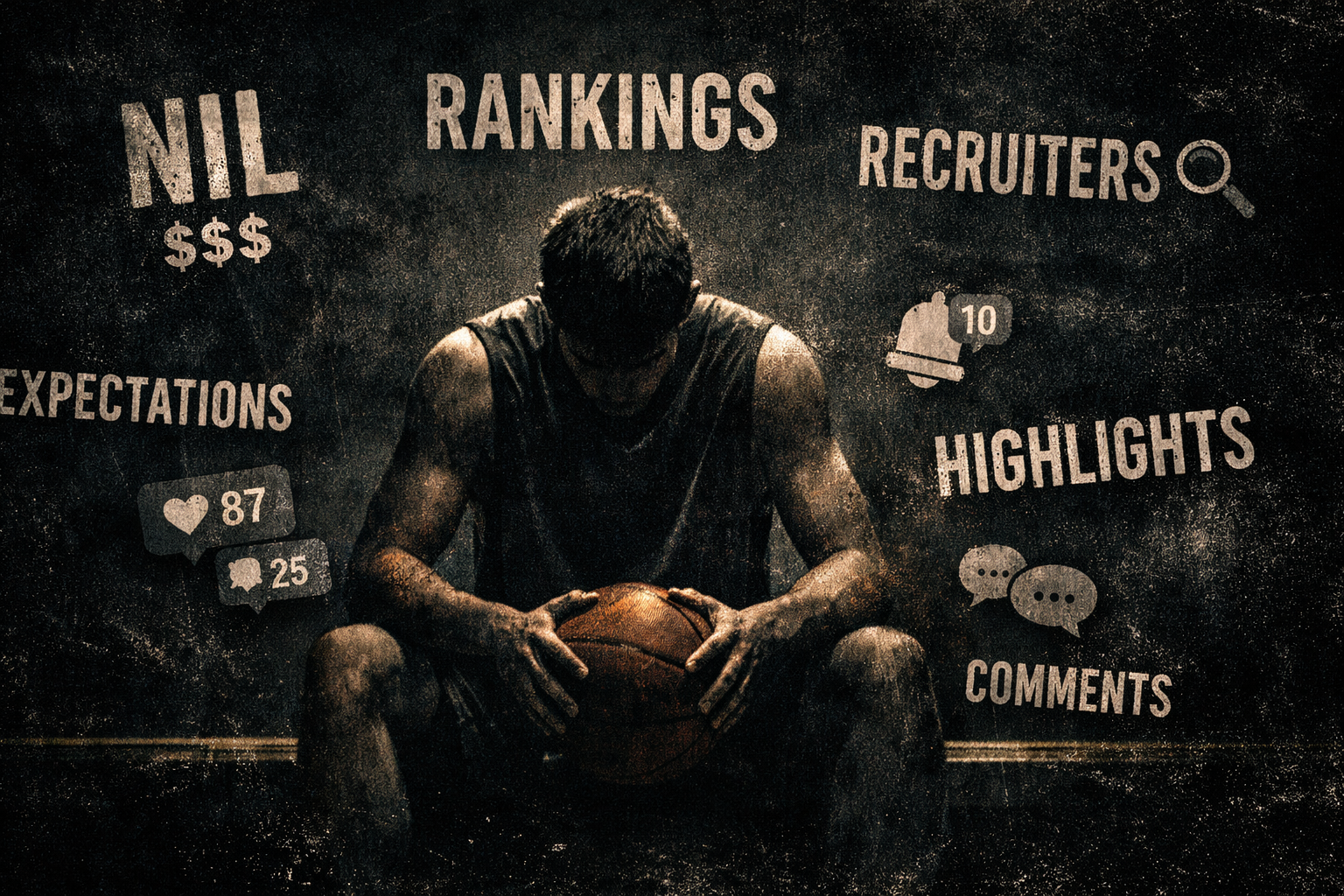
As we explored in “The Real Path to Greatness: Beyond the Instagram Highlights,” understanding the full reality of what success requires—not just the glamorous moments—is crucial for setting meaningful goals.
Creating Actionable Plans
Once you’ve established the big picture, work together to create specific, actionable plans:
“What are the two skills you really want to work on to get better at? How do we measure that? How do we decide by the end of the season that you’ve gotten better at those things?” – Valerie Alston
Effective goal plans should:
– Focus on 1-2 specific skills at a time
– Include clear metrics for measuring progress
– Involve coaches in the development process
– Consider the child’s input on practice commitment
This strategic approach to improvement aligns with our article “Time Tells No Lies: You have 168-Hours per week,” which emphasizes the importance of intentional practice and making every hour count toward specific development goals.
Age-Appropriate Motivation
Understanding developmental psychology helps create effective motivational strategies:
“Our young kiddos, our elementary school kiddos, probably to about age 10 – their ability to think long-term like long-term gratification or short-term gratification versus long-term gain it’s not there yet. Like developmentally, they don’t have that capacity. So rewards can be really important.” – Valerie Alston
For younger children (under 10):
– Use visual tracking systems like sticker charts
– Provide small, consistent rewards for effort
– Focus on immediate feedback
For older athletes:
“As your kid gets older, you want to shift more towards internal sources of motivation.” – Valerie Alston
Help them connect their work to internal motivators:
- Identity: “Future college basketball players put in the work”
- Value recognition: Help them see the direct benefits of their training
- Natural consequences: Let them experience how preparation affects performance
This development of internal motivation is what we describe in “Obsession: Your Fuel To Be Elite”—the transition from external motivation to an internal drive that fuels consistent effort even when no one is watching.
Maintaining Balance
A critical aspect of goal-setting is ensuring your child maintains a healthy balance:
“Go be a kid. And I think sometimes in your goal planning, I think we need to make sure that the kids are balanced, right? If they’re doing something seven days a week for their sport… that’s too much. Unless they’re choosing it… Balance. We need balance, right? Kids need downtime. They need rest. They need recovery.” – Valerie Alston
In your goal-setting conversations, explicitly address:
- Time for friends and social activities
- Academic priorities and balance
- Rest and recovery periods
- Other interests and activities
This holistic approach to development is what we advocate in “HOOP DREAMS TO REALITY: 3 Game-Changing Books Every Basketball Player Needs to Read,” which emphasizes that mental, emotional, and physical balance creates the foundation for sustainable athletic success.
Practical Recommendations for Parents
1. Let them lead: Goal-setting should be primarily driven by the athlete, with parents providing guidance rather than directives.
2. Create a contract: “You can ask, this is part of the contracting with them, what are the times when mom and dad can poke you? Is it when you’ve missed a whole week? Is it when you’ve missed two weeks?”
3. Focus on identity: Help them connect behaviors to the identity they want to develop. “If I’m a healthy person, eat my veggies and I work out, right? Whoever you believe yourself to be, an identity that they’re seeking or want to be seeking, tying that behavior to that identity can be really important.”
4. Allow autonomy with age: “As they get older, there should be significantly less handholding and more focus on natural consequences.”
5. Prioritize academics: “You obviously have to have the bare minimum of eligibility… But beyond eligibility, those are personal choices as a family, as what’s really important.”
By implementing these goal-setting strategies, you can help your young athlete develop not just athletic skills, but also the character and work ethic that will serve them throughout life. As we’ve emphasized in “Lots of Paths to College/Pros: Keep Grinding,” the journey may take different forms, but the consistent application of these principles creates the foundation for success, regardless of the specific path.
Remember that the ultimate goal isn’t just athletic achievement:
“The goal ultimately is to grow and develop kids and to help them build character, to help them build leadership skills, to help them be successful humans.” – Valerie Alston
About Valerie Alston:
Valerie Alston is a mental performance coach specializing in helping young athletes develop confidence and psychological resilience. A former D1 softball player at the University of Minnesota, Valerie understands firsthand the mental challenges athletes face, having overcome performance anxiety during her own collegiate career.
After earning her master’s degree in sports psychology from Boston University, she began her professional career working with the U.S. Army in 2008, training soldiers in mental skills development. Since 2020, she has refocused her expertise on youth athletes, helping them navigate the unique pressures of modern sports culture.
Valerie is the author of “Confident, Calm, and Clutch,” a practical guide that gives parents tools to support their aspiring athletic kids. She also hosts the podcast “Confident, Calm, and Clutch Car Ride Conversations,” designed to help parents and young athletes have productive discussions about sports psychology and mental performance.

Buy here: https://amzn.to/41LCNHR
Check out her podcast: Listen Here
Drawing from both her professional training and personal experience as a collegiate athlete, Valerie helps young competitors develop the mental toughness needed to perform under pressure while maintaining a healthy relationship with their sport.
For more information or to sign up for her newsletter, visit www.confidentcalmclutch.com.