

A complete guide to basketball team captaincy, from understanding the role to developing the leadership skills that translate beyond the court
The armband or the “C” on your jersey looks clean. It photographs well. Your parents are proud. But real talk? That’s the easy part.
Being a basketball team captain – whether it’s official or not – means carrying weight that nobody sees. It’s about the conversations in the hallway before practice, the text you send at midnight to a teammate who’s struggling, the moment you have to check someone you’re cool with because they’re hurting the team. It’s about legacy.
It’s leadership. And leadership isn’t always pretty.
The Evolution of Great Basketball Leaders: Learning from Kobe Bryant {#learning-curve}

Kobe Bryant wasn’t always the leader the Lakers needed. Early in his career, he led by example – outworking everyone, demanding excellence – but his approach alienated teammates. He was so focused on winning that he forgot people don’t follow robots, they follow humans.
It took years, some hard losses, and real self-reflection for Kobe to evolve his leadership style. He had to learn that being a team captain isn’t just about being the best player or the hardest worker. It’s about understanding what each teammate needs to hear, when they need to hear it, and how to make them believe they can be better than they think they are.
That’s the part nobody tells you about basketball leadership: becoming a real captain is often bumpy. You’ll mess up. You’ll say the wrong thing. You’ll push when you should’ve pulled, or stay quiet when you should’ve spoken up. That’s part of the development process.
Michael Jordan’s Leadership Philosophy: The Foundation of Team Captaincy {#jordan-standard}
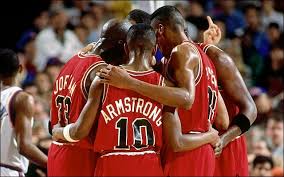
Michael Jordan set a leadership standard that still echoes in basketball today: never ask anyone to do something you wouldn’t do yourself.
First one in the gym? That was Mike. Last one to leave? Mike. Willing to take the last shot and live with the consequences? Mike. Defending the best player every night? Mike. Running suicides until everyone got it right? Mike was in front.
This isn’t about being perfect. Jordan had his own leadership struggles – his intensity wasn’t for everyone, and some teammates couldn’t handle his demands. But nobody could ever say he asked for something he wasn’t willing to give.
That’s the foundation of effective team captaincy. You can’t lead from the back. You can’t ask your teammates to sacrifice if you’re taking shortcuts. They’ll smell it immediately, and they’ll tune you out.
Your effort, your attitude, your commitment to the details – that becomes the floor for everyone else. Not the ceiling. The floor.
What Does a Team Captain Actually Do in Basketball? {#what-captains-do}
Let’s get specific about the basketball captain’s responsibilities:
Being the Bridge Between Coaches and Players
When Coach is heated and going off in the huddle, you’re the one who translates that into something actionable. When your teammates are frustrated with the game plan, you’re carrying that message back up – respectfully, but honestly. This communication role is central to team captaincy.
Setting the Baseline Energy and Effort
Your effort in practice becomes the standard. If you’re going through the motions, everyone else will too. If you’re locked in on every drill, talking on defense, diving for loose balls – that becomes normal. You don’t have to be the loudest, but you have to be consistent.
Handling Conflicts That Stay in the Locker Room
Two players beefing? You pull them aside before it becomes a team issue. Someone showing up late repeatedly? You address it before Coach has to. Someone’s effort is slipping? You find out what’s really going on – maybe it’s family stuff, maybe it’s mental health, maybe they’re just being lazy. Then you figure out how to help or how to push.
Reading the Room and Adjusting Your Approach
This is the basketball leadership skill that matters most. Knowing when the team needs to laugh vs. when they need to lock in. Knowing which teammate responds to a challenge and which one needs encouragement. Knowing when to protect your guys from coaching criticism and when to let them feel the heat because they need it.
Taking Accountability When Things Go Wrong
When things go wrong – blown lead, bad loss, team conflict – you’re accountable first. Even if it wasn’t your fault. Even if you played well. That’s the responsibility of wearing the captain’s armband.
Formal vs. Informal Basketball Leaders: Understanding Different Leadership Roles {#leadership-roles}
Here’s something a lot of people miss about basketball team leadership: some of the most important leaders on a team never wear a captain’s armband.
The Role of Veteran Leaders
Think about Udonis Haslem with the Miami Heat. For years, he barely played meaningful minutes, but he was essential to that championship culture. He helped rookies understand what professionalism looked like. He checked vets when they were slipping. He knew everyone’s story, their families, what made them tick.
Or Andre Iguodala with the Golden State Warriors – came off the bench, but was in every important huddle, every critical conversation. Young players sought him out because they knew he’d give them the real version, not just what they wanted to hear.
What Informal Basketball Leaders Do
These informal leaders do work that never makes the box score:
- Getting new players integrated into the team culture quickly and effectively
- Translating coach-speak – explaining what coaches really mean when they’re frustrated
- Mediating conflicts between teammates before issues become public problems
- Helping veterans adjust to reduced roles without becoming toxic to team chemistry
- Being the trusted voice that can say hard truths because they’ve earned respect over time
Every successful basketball team needs these people. Sometimes it’s the official captain. Sometimes it’s not. But the best teams have multiple leaders, each playing their role in the team’s success.
Different Types of Basketball Team Captains: Finding Your Leadership Style {#leadership-styles}
Not everyone leads the same way in basketball, and that’s okay. Here are the most common types of team captains:
The Vocal Leader (Draymond Green, Chris Paul)
Always talking, organizing the defense, challenging teammates in real-time. These basketball captains are comfortable with confrontation and use their voice as a weapon. They’re constantly communicating on the court and aren’t afraid to call out mistakes.
Best for: Teams that need constant energy and communication, younger rosters that need guidance
The Lead-By-Example Captain (Kawhi Leonard, Tim Duncan)
Quiet but deadly consistent. Shows up every day, does the work, doesn’t need the spotlight. Their reliability becomes the culture. These captains let their performance and work ethic do the talking.
Best for: Teams with strong egos that respond better to action than words, veteran rosters
The Culture-Setter (Udonis Haslem, Kevon Looney)
May not be the star, but they define what’s acceptable and what’s not. They’re the keepers of team standards and hold everyone accountable to those standards, regardless of status.
Best for: Teams building or maintaining a specific identity, programs focused on development
The Connector (Stephen Curry, Jrue Holiday)
Makes everyone feel valued. Remembers details about people’s lives. Creates the chemistry that makes teams click. These captains focus on relationships and team cohesion.
Best for: Teams with diverse personalities, rosters dealing with internal divisions
Your team might need different leadership styles at different times. The key is being authentic – don’t try to be a vocal leader if that’s not who you are. Find your leadership lane and own it.
How to Be a Good Basketball Captain: Essential Leadership Skills {#becoming-effective}
Develop Emotional Intelligence
The best basketball captains understand what motivates different teammates. They know who needs a challenge and who needs encouragement. They can read body language and sense when something’s off.
Master Communication Skills
Learn how to give feedback that people can actually hear. There’s an art to challenging someone without making them defensive. Practice being direct but respectful, honest but constructive.
Build Genuine Relationships
Leadership without connection is just management. Know your teammates beyond basketball – their families, their goals, what they’re dealing with. People follow leaders they believe care about them.
Stay Consistent
Your teammates need to know what they’re getting from you every day. Consistency in effort, attitude, and availability builds trust – which is the foundation of all basketball leadership.
Handle Pressure Publicly
Everyone watches how you respond to adversity. Missing the game-winner, getting yelled at by coaches, dealing with a bad loss – these moments define your captaincy more than the good times.
What Basketball Captains Learn: Skills That Transfer Beyond the Court {#transferable-skills}
The leadership skills you develop as a basketball team captain translate way beyond the sport:
- How to give feedback people can actually receive – crucial for any career or relationship
- Managing up and down – navigating authority while representing your peers’ perspective
- Reading emotional intelligence – understanding what motivates different people in any context
- Handling public pressure – staying composed when everyone’s watching your response
- Building authentic relationships – connecting with people genuinely, not transactionally
These skills matter for college applications, job interviews, and life. Colleges and employers actively seek people who know how to lead, and basketball team captaincy is where you prove it.
The Hard Truths About Being a Basketball Team Captain {#hard-truths}
You Can’t Always Be Everyone’s Friend
Sometimes you have to choose between being liked and being respected. If your boy is hurting the team and you don’t say something, you’re not being a good friend – you’re being a bad leader. Real ones understand the difference.
Your Bad Games Impact the Whole Team
When you’re struggling, it affects the whole team’s energy. They feed off you. So you learn to compete even when your shot’s not falling, even when you’re tired, even when you’re dealing with stuff off the court.
You’ll Make Leadership Mistakes Publicly
You’ll say the wrong thing in a huddle. You’ll challenge someone the wrong way. You’ll miss the moment when a teammate needed support. That’s part of learning how to be a captain. Own it, apologize when necessary, and grow.
The Captain’s Role Can Be Lonely
There are conversations you can’t have with everyone. Decisions you make that not everyone will understand. Nights when the weight of representing everyone feels heavy. That’s the reality of basketball leadership.
Tips for New Basketball Team Captains: Getting Started Right {#getting-started}
If you just got named captain, or you’re stepping into a leadership role on your basketball team:
Be Yourself, Amplified
Don’t try to be someone you’re not. If you’re naturally quiet, you don’t have to become a rah-rah guy. But you do need to amplify your best qualities – your work ethic, your reliability, your care for teammates.
Trust Why You Were Chosen
Your coaches or teammates saw leadership qualities in you. Trust that. You don’t have to be perfect, you just have to be committed to the role.
Ask for Help and Advice
Talk to veteran players, coaches, even captains from other teams. Get advice on handling difficult situations. The best basketball leaders are always learning and evolving.
Remember You’re Still a Player First
Don’t let the captain’s role mess up your game. You were chosen partly because of how you play. Keep developing your skills and performing on the court.
Start Small with Your Leadership
You don’t have to give a motivational speech before every game. Basketball leadership is often quiet – a text to check in, staying late to work with someone, being the first to own a mistake.
Famous NBA Team Captains and What We Can Learn {#nba-examples}
Tim Duncan – The Silent Leader
Duncan rarely spoke, but his consistency and professionalism set the Spurs’ standard for two decades. His leadership style proves you don’t have to be loud to be effective.
Key Lesson: Lead through reliability and excellence. Show up every day the same way.
Draymond Green – The Vocal Enforcer
Green’s communication and accountability make him one of the Warriors’ most important leaders despite not being their best player. He’s not afraid of conflict when it serves the team.
Key Lesson: Great basketball captains hold everyone accountable, including stars.
LeBron James – The Complete Leader
LeBron combines all leadership styles – vocal when needed, leading by example always, connecting personally with teammates, and setting cultural standards.
Key Lesson: Adapt your leadership approach to what the team needs in that moment.
Derek Jeter (Crossover from Baseball)
Though not basketball, Jeter’s approach to team captaincy – consistency, accountability, professionalism – translates perfectly to any sport.
Key Lesson: Your behavior off the court matters as much as your performance on it.
The Real Question: What Does Basketball Team Captaincy Actually Mean?
Being a captain isn’t about the title or the armband. It’s about this: When things get hard – when the team is struggling, when conflict emerges, when someone needs to step up – are you the person who does?
Not because you have to. Not because you got named captain. But because you understand that basketball leadership is service.
It’s serving your teammates by holding them accountable. It’s serving your coaches by being an extension of their vision. It’s serving the game by respecting it enough to do things right.
Michael Jordan never asked anyone to do what he wouldn’t do. Kobe Bryant evolved from demanding to empowering. The best basketball leaders – formal and informal – understand that influence is earned through consistency, authenticity, and genuine care for the people around them.
The captain’s armband is just fabric. The real captaincy is how you carry yourself when nobody’s watching, how you respond when everyone is, and whether your teammates are better because you were there.
That’s what it means to be a basketball team captain.
Keywords: basketball team captain, team captain responsibilities, basketball leadership, how to be a good captain, basketball captain duties, team leadership in basketball, captain armband basketball, leadership skills basketball, NBA team captains, youth basketball leadership, build legacy.